TagRides · Lagos first · built where routes are already shared
Drive your normal route.
Earn from empty seats.
Pick up riders already heading your way. Agree the fare before pickup, keep your route, and let your empty seats pay their part.
Their route. Your ride.
Tunde A.
Rider request
Yaba → V.I.
Pickup
12m
Seats
2
Offer
₦600
Aisha O.
Rider request
Surulere → Lekki
Pickup
28m
Seats
1
Offer
₦900
Chinedu E.
Rider request
Ikeja → Ajah
Pickup
45m
Seats
3
Offer
₦1,200
Funmi B.
Rider request
Festac → CMS
Pickup
22m
Seats
2
Offer
₦550
Bola S.
Rider request
Magodo → Yaba
Pickup
18m
Seats
3
Offer
₦450
Kemi A.
Rider request
Ojo → Marina
Pickup
38m
Seats
2
Offer
₦800
Ifeanyi U.
Rider request
Gbagada → Ikoyi
Pickup
24m
Seats
1
Offer
₦700
Driver view · illustrative rider demand
The product, already running
One route. A clear flow for everyone in it.
Riders find and track the seat. Drivers keep control of the route, the riders, and the fare.
Your normal route stays yours.
TagRides adds matched demand around the trip you were making anyway. It does not turn your commute into a chain of blind pickup detours.
- Post the route you already planned
- Choose riders and open seats
- Accept or counter each fare once
Rider flow
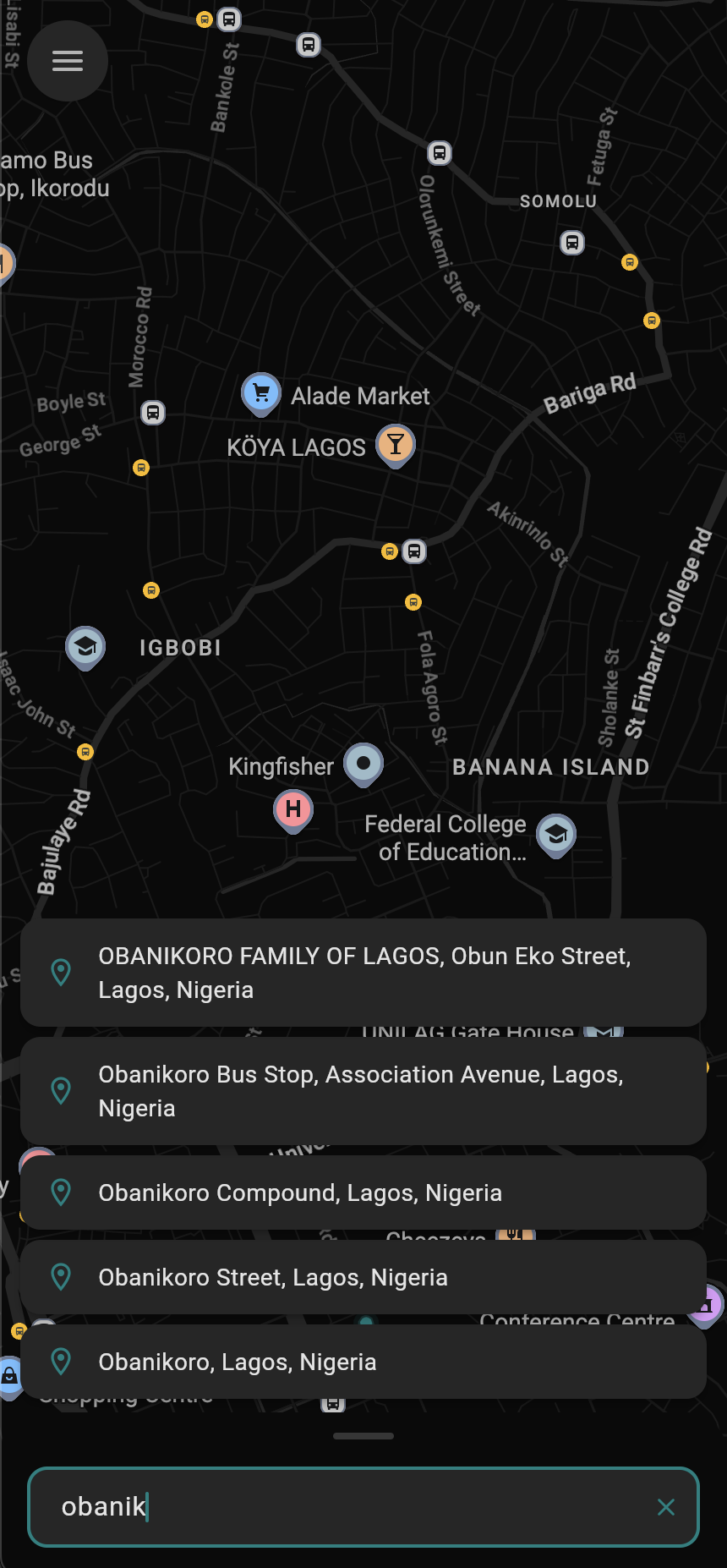
Choose where you are going
Search a Lagos destination and see route-aware pickup options around you.
Danfo-level fares.
Ride-hailing-level accountability.
Each matching driver gets a separate fare for the road they share with the rider. The rider can edit each offer; the driver accepts or counters once. No repeated bidding or hidden surge pricing.
Built for accountable shared mobility
Safety isn’t a feature. It’s the whole point.
Know who you ride with
Driver identity and vehicle details are checked before activation. Riders and drivers both build ratings over time.
Keep the trip visible
Track the pickup, share the live trip, and report an incident with the route and participant records attached.
Agree before pickup
The fare is recorded before the ride starts. Pay with cash or wallet without changing the agreed amount.
Built from Lagos, not assumptions
Researched, built, and already running.
The first corridor is deliberately narrow: prove reliable matching on one daily commute, then expand with evidence.
Live MVP
Flutter app and real-time trip flow running on AWS
210+
Lagos riders surveyed before the product was built
90
Early waitlist signups, concentrated around the Yaba commute belt
1 corridor
Yaba to Lagos Island is the focused first launch
Built through
Supported by programs built for African scale.
Tag Rides is a Tony Elumelu Foundation grantee, a Microsoft for Startups Founders Hub member, and an ALX Ventures program graduate. The first corridor is local; the support network is built for scale.
Grant recipient
Tony Elumelu Foundation
Selected and funded by TEF to build TagRides.
Ecosystem participant
Google for Startups
In the Google for Startups program.
Founders Hub
Microsoft for Startups
Building on Azure as a Microsoft Founders Hub member.
Program graduate
ALX Ventures
Founder-stage venture program.
Start before the first corridor opens.
Onboard now, complete verification, and be ready when riders start booking along the first live routes.
Riding instead? Join the first riders we notify when your corridor opens.
Partners, press, investors: talk to us